Keep Lucid · memory, aging and the mind
Today in brain health
The latest research on memory, aging and mental health, from universities, science news sites and newspapers. Each story opens on the site that published it.
Try the 20-second speed testThe one kind of brain training shown to lower dementia→

MRIs show brain changes linked to Alzheimer’s years in advance
MRI scans indicate that people who go on to develop high amyloid-beta levels, a hallmark of Alzheimer’s disease, have thicker cortices in the years before disease than people who never show high A-beta, a new study finds.
Read at Science News ↗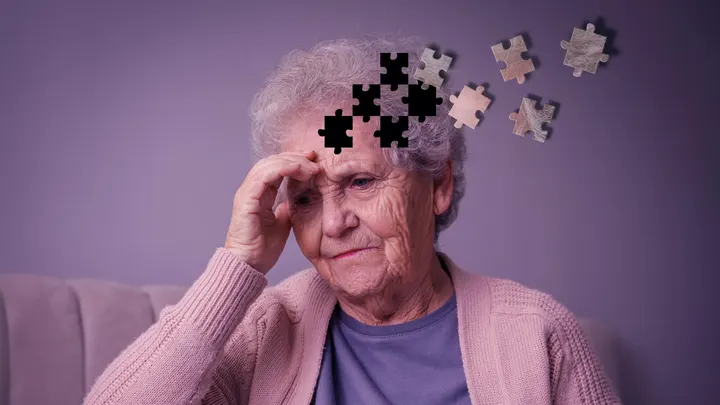
Women taking estrogen had fewer signs of Alzheimer’s in their brains
Women who used estrogen-only hormone therapy later in life were less likely to develop dementia and showed fewer signs of Alzheimer’s disease in their brains, according to a large study of more than 21,000 participants. Hormone therapy use was linked to 39% lower odds of a dementia diagnosis and 35% lower odds of Alzheimer’s-related brain changes at autopsy, including amyloid plaques and tau tangles.
Read at ScienceDaily ↗
As my husband’s carer, I sometimes need a break – finding respite care in Australia shouldn’t be this difficult | Robyn Ayres
View image in fullscreen Opinion Aged care As my husband’s carer, I sometimes need a break – finding respite care in Australia shouldn’t be this difficult Robyn Ayres Arranging a short stay for my husband in an aged care facility shouldn’t take dozens of calls, emails and an interstate operation involving friends I am a carer. My husband has advanced Alzheimer’s disease and lives at home with me.
Read at The Guardian ↗
What to Do When Someone With Dementia Becomes Agitated: A Physician’s Take, Part 2
Dr. David Henley, MD, is an attending psychiatrist at Henry Community Health with more than 20 years of experience in adult and geriatric psychiatry. He has more than 13 years of experience leading Phase 2 and 3 Alzheimer’s disease clinical trials, with expertise in precision medicine, as well as extensive experience in Alzheimer’s medical affairs, and safety monitoring in the pharmaceutical industry.
Read at Being Patient ↗
Voice Changes Could Be an Early Sign of Dementia
Changes in the pitch, volume or clarity of your voice could be an early warning sign of dementia, according to a new analysis. The study found that older adults who experienced diminishing voice quality were at increased risk of cognitive impairment or dementia than their peers without a voice disorder. Experiencing a period of hoarseness is not a sign of impending cognitive decline for most people.
Read at Fisher Center for Alzheimer’s Research ↗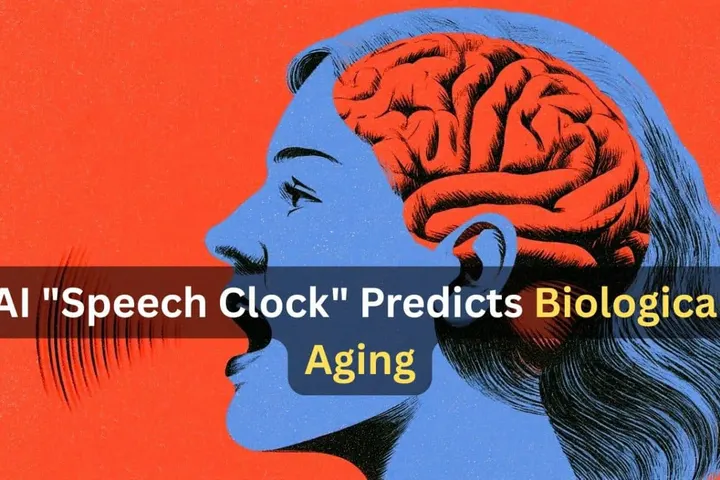
Could Your Voice Reveal How Fast Your Brain Is Aging?
A multicenter study of nearly 3,000 individuals published in Science Advances reveals that machine-learning models can infer a person’s biological age and brain health from vocal patterns. This newly developed “speech clock” calculates a “speech age gap” that correlates strongly with neuroimaging brain age, DNA methylation aging, Alzheimer’s blood biomarkers (plasma p-tau217), and lifelong social adversity,…
Read at Neuroscience News ↗
Losing deep belly fat may slow brain aging and protect memory
Losing deep belly fat rather than just overall body weight is linked to slower brain aging and better cognitive function years later. The research, published in Nature Communications , suggests that targeting this specific type of fat might help protect the brain from age-related decline. Visceral fat wraps deep around internal organs, while subcutaneous fat sits just beneath the skin and is more visible.
Read at PsyPost ↗
Teen cannabis use linked to slower memory and thinking growth
Researchers at the University of California San Diego have found that teenagers who start using cannabis may develop memory and thinking abilities more slowly than teens who do not use it. The findings were published in Neuropsychopharmacology and were based on data from more than 11,000 participants in the Adolescent Brain Cognitive Development (ABCD) Study, the largest long-term investigation of brain development…
Read at ScienceDaily ↗
My mother’s phone calls became stranger, but I couldn’t visit. A rescue dog helped me reach her
Conversation was difficult. But Sally, a dear old German shepherd, gave me a glimpse of my mother’s emotional state My mother had been wanting a dog for years. She lived in Perth, on the other side of the country to her children and grandchildren who were all grown up. She had retired too early, had few interests, and didn’t get out much.
Read at The Guardian ↗Today
Six habits, each with research behind it. Tick them off as the day goes. Your progress stays on this device.
Games
Fifteen games for speed, memory, attention and reasoning. Glance copies the speed training that cut dementia cases by 25% over twenty years. Every game keeps your scores, so you can see yourself improve.
Three flashes · twenty seconds
Train the skill that cut dementia cases by 25% over twenty years.
The skill is speed: how much you take in with one quick look. In a U.S. study that followed 2,802 older adults for twenty years, it was the only kind of brain training that lowered dementia. Try it now: a star will flash on the ring. Tap where it was.
The rings breathe at six breaths a minute. Breathe with them.
Tools
Blood pressure and hearing are two of the largest risk factors, and both are treatable.
Blood pressure log
Trial-testedIn a U.S. study of 9,361 people, bringing the top blood pressure number below 120 cut early memory problems by 19%. To measure: sit quietly for five minutes with your arm resting at heart level.
Hearing screen
Trial-testedHearing loss is tied for the largest factor in the Lancet list, at 7% of cases. In a U.S. study, older adults at higher risk who got hearing aids lost memory and thinking skills 48% more slowly over three years. Use headphones, a quiet room and the volume at half.
Slow breathing
PracticeSix breaths a minute: five seconds in, five out. Use it before sleep or before a blood pressure reading.
Your 14
In 2024 a panel of dementia experts writing for the medical journal The Lancet named 14 risks you can change. The number on each card is the share of the world’s dementia cases linked to it. Tick the ones that apply to you for a plan you can print and take to your doctor.
Evidence
Every claim on this site traces to one of these studies. Trial-tested means a randomized trial. Linked means large observational studies. Practice means skill practice with scores you can track.
When to see a doctor
Bring these up at your next visit, or sooner if they are new or getting worse:
- Forgetting recent conversations or asking the same question again within the hour
- Getting lost on a familiar route
- New trouble paying bills, following a recipe or using the phone
- Losing words mid-sentence more often than before
- Changes in mood or personality that family notice
Many causes are treatable, including low B12, thyroid problems, medication side effects, depression and sleep apnea.